 German
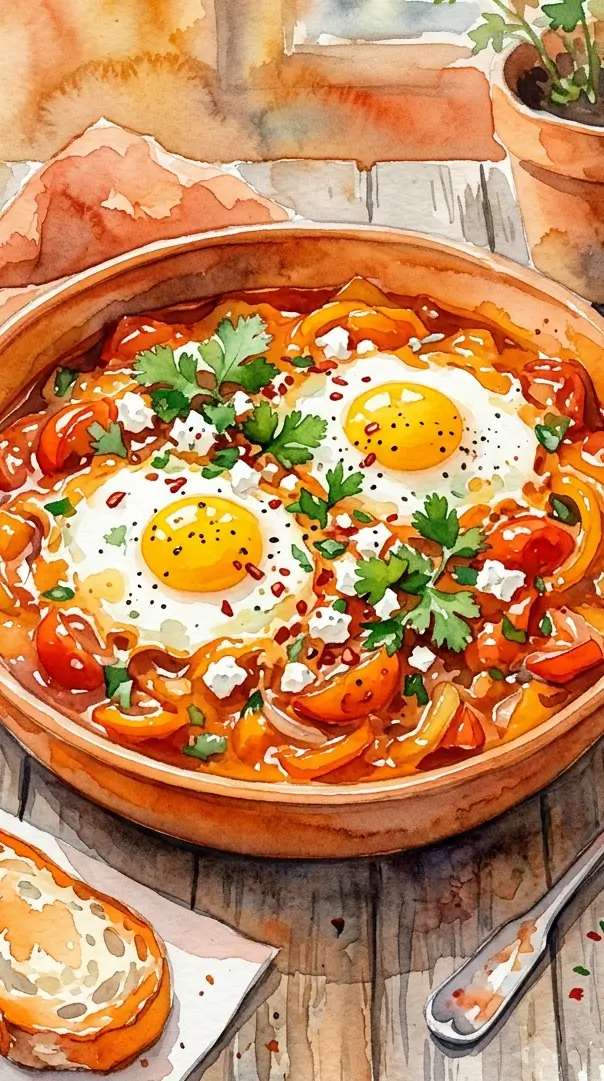
Tomaten auf den Augen haben
Meaning: To be oblivious to what's right in front of you.
Literally: To have tomatoes on one's eyes
Example: “Der Schlüssel lag direkt vor ihm; er hatte wohl Tomaten auf den Augen.” — The key was right in front of him; he really couldn't see the forest for the trees.
Origin: No single theory is confirmed, and three genuinely different explanations compete. One ties the phrase, documented in use since around 1920, to the swollen, reddened eyelids of someone who looks half-asleep or hasn't fully woken up — red and puffy enough to resemble tomatoes. A second, more elaborate theory reaches for medieval Spain, where the tomato was long regarded as a "fruit of sin," and tomates en los ojos is claimed to have been an actual public punishment for traitors, thieves, or adulterers, forced to wear tomatoes bound over their eyes for weeks or months as a mark of disgrace — though this specific historical claim isn't well documented. A third, considerably more mundane theory points to early traffic police: when automatic signals were still new and unfamiliar, an officer stationed at an intersection might shout at a driver who failed to move on green, Sie haben wohl Tomaten auf den Augen! — you must have tomatoes on your eyes.
Equivalents in other languages
 Italian: Avere gli occhi foderati di prosciutto Literally: To have eyes lined with ham
More German idioms
- Ich glaub mein Schwein pfeift I can't believe it! That's outrageous!
- Schwein haben To be lucky; to get away with something by sheer good luck.
- Da liegt der Hund begraben That's the crux of the matter.
- Die Daumen drücken To wish someone good luck (like crossing fingers).
- jemandem einen Bären aufbinden To tell someone a deliberate lie or deceptive story for amusement or manipulation.
- in den sauren Apfel beißen To accept an unpleasant necessity or disagreeable situation with resignation and stoicism.
Explore another collection: Untranslatable Words
Words that capture a feeling or idea English needs a whole sentence for.
- Verschlimmbessern To make something worse in a well-intentioned attempt to improve it.
- Sturmfrei The liberating feeling of having the house entirely to yourself — when parents or a partn…
- Waldeinsamkeit The serene, faintly mystical feeling of being alone in the woods, at peace with nature.
Keep exploring