 Japanese
花より団子 (Hana yori dango)
Meaning: Substance over style; practicality over beauty.
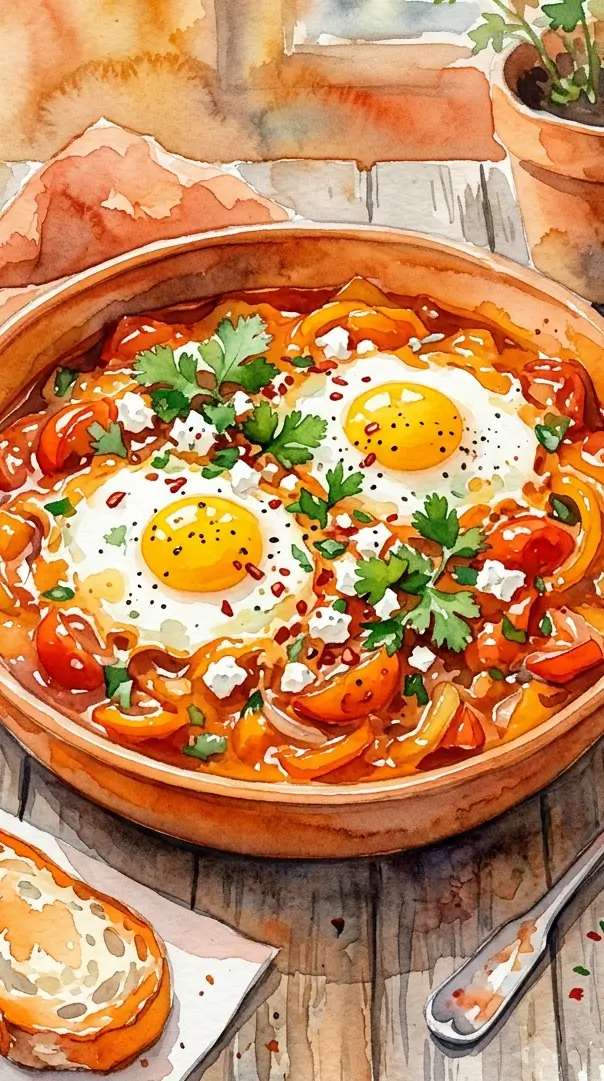
Literally: Dumplings over flowers
Example: “花見に行っても、子どもたちは花より団子で屋台ばかり見ている。” — Even at the cherry blossom viewing, the kids only care about the food stalls, not the flowers.
Origin: Hanami, the tradition of viewing cherry blossoms, began as a religious observance tied to praying for a good harvest before evolving, especially from the Azuchi-Momoyama period (late 1500s) onward, into an occasion for shared food and drink alongside the flower-viewing itself, eventually becoming a common seasonal pastime for ordinary people across the Edo period. The specific phrasing is documented as early as 1532, in the haikai poetry collection Shinsen Inu Tsukubashū, already teasing the idea that dumplings might outrank blossoms in the priorities of many hanami attendees. The saying was later folded into the traditional iroha karuta card game, keeping it in wide circulation among ordinary households well into the Edo period and beyond.
More Japanese idioms
- 猫をかぶる (Neko wo kaburu) To hide one's true nature; to act innocent.
- 馬の耳に念仏 (Uma no mimi ni nenbutsu) Wasted advice on someone who won't listen.
- 雀の涙 (suzume no namida) A pitifully small amount.
- 口が滑る (kuchi ga suberu) To accidentally let something slip.
- 蛇足 (dassoku) Something completely unnecessary; a superfluous addition.
- 猫に小判 (Neko ni koban) Giving something valuable to someone who can't appreciate it.
Explore another collection: Untranslatable Words
Words that capture a feeling or idea English needs a whole sentence for.
- Ikigai The thing that makes you want to get out of bed — the intersection of what you love, what…
- Ma The meaningful negative space between things — a deliberate pause in music, an empty room…
- Natsukashii A warm, nostalgic rush triggered by something from the past — a smell, a song, a sight. N…
Keep exploring