ProverbChallenge English origin1625
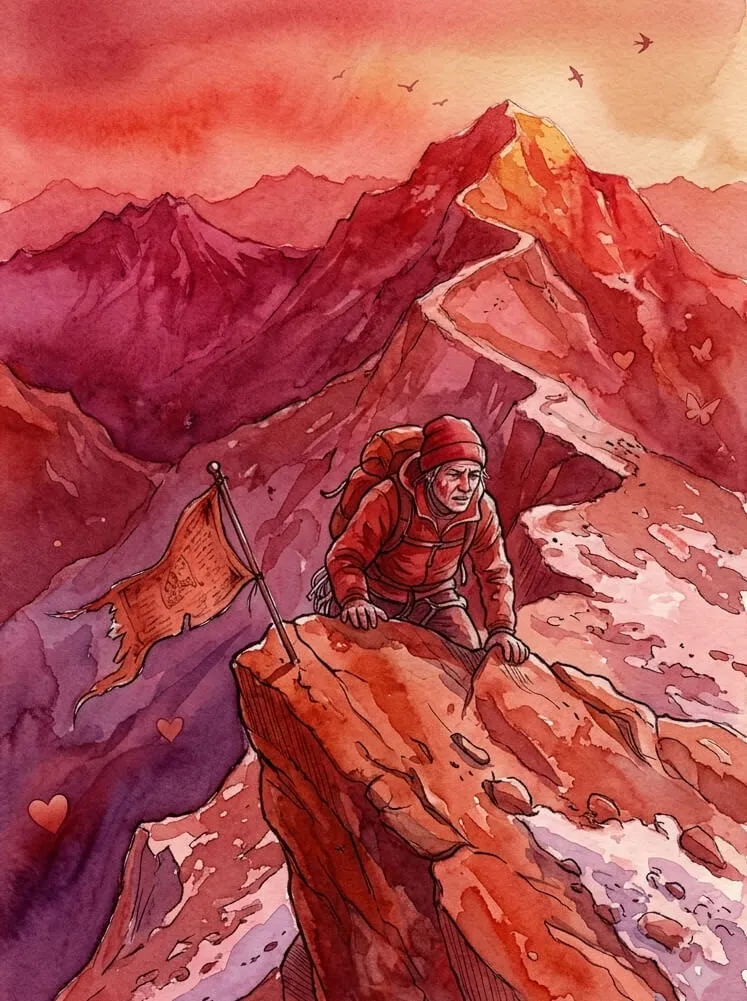
If the mountain will not go to Mahomet, let Mahomet go to the mountain.
Meaning: When obstacles won't move, adapt your approach rather than exhaust yourself demanding change.
Who said it? Francis Bacon, the essay “Of Boldness”, 1625
Origin: From Francis Bacon's essay "Of Boldness" (1625). Bacon tells a story — European, not from Islamic tradition — of Mahomet promising to call a hill to him; when it did not move, he said undaunted, "If the hill will not come to Mahomet, Mahomet will go to the hill." Bacon was mocking the brazen confidence of the bold, but the saying now means adapting when circumstances will not.
Equivalents in French, Spanish, German, Italian, Portuguese, and 2 more languages
 French: Si la montagne ne vient pas à Mahomet, Mahomet va à la montagne (literally: If the mountain does not come to Mahomet, Mahomet goes to the mountain)
 Spanish: Si la montaña no va a Mahoma, Mahoma va a la montaña (literally: If the mountain won't go to Muhammad, Muhammad goes to the mountain)
 German: Wenn der Berg nicht zum Propheten kommt, muss der Prophet zum Berg kommen (literally: If the mountain does not come to the prophet, the prophet must come to the mountain)
 Italian: Se la montagna non va a Maometto, Maometto va alla montagna (literally: If the mountain won't go to Muhammad, Muhammad goes to the mountain)
 Portuguese: Se a montanha não vem a Maomé, vai Maomé à montanha (literally: If the mountain won't come to Muhammad, Muhammad goes to the mountain)
 Dutch: Als de berg niet tot Mohammed wil komen, dan moet Mohammed naar de berg gaan (literally: If the mountain won't come to Muhammad, Muhammad must go to the mountain)
 Russian: Если гора не идёт к Магомету, то Магомет идёт к горе (Esli gora ne idyot k Magometu, to Magomet idyot k gore) (literally: If the mountain won't come to Muhammad, Muhammad goes to the mountain)
Explore another collection: False Friends
Words that look familiar in another language but mean something else entirely.
Keep exploring