 French
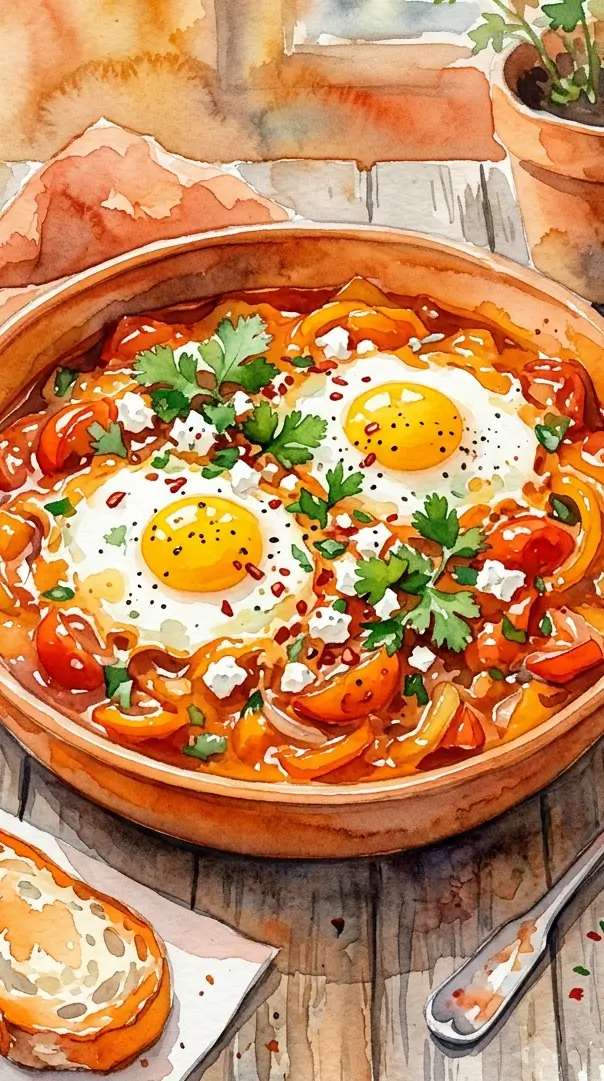
En rester comme deux ronds de flan
Meaning: To be utterly dumbfounded.
Literally: To be left like two rounds of custard
Example: “Quand il a annoncé qu'il partait vivre en Islande, j'en suis resté comme deux ronds de flan.” — When he said he was moving to Iceland, you could have knocked me down with a feather.
English equivalent: You could have knocked me down with a feather
Equivalents in other languages
 Spanish: Quedarse de piedra Literally: To be left as stone
 Greek: Μου έφυγε το καφάσι Literally: My crate flew off
 English: you could have knocked me down with a feather
Origin: Two circles of flan side by side do make a fair picture of eyes wide with astonishment — but Alain Rey and Sophie Chantreau, about the only authorities to take the phrase on, are not convinced the custard has anything to do with it. Esnault cites it in 1901, so it dates from the end of the 19th century, and every explanation has a hole in it. A flaon or flan was, in the 14th century, the metal blank struck by a die to become a coin, which would make this a pun on frapper — to strike a coin, to be struck with stupor — except that the word had dropped out of use by the 19th century. In printing, a flan is the coated card that takes the impression of a composition, which explains nothing about why round or why two. And a last, frankly strained suggestion has it as flanc with the c worn off, deux ronds de flanc being the buttocks, so that the astonished party is left on his backside.
More French idioms
- Tirer au flanc To dodge work; to shirk.
- Habiller quelqu'un pour l'hiver To run someone down, usually behind their back.
- Mettre le holà To put a stop to something.
- Ça me fait une belle jambe That is no use to me whatsoever.
- Rire jaune To force a laugh; to laugh while plainly not amused.
- Ça en jette ! To look genuinely impressive.
Explore another collection: Proverbs
Short sayings of timeless wisdom from more than 50 cultures, each with its meaning and origin.
- Loin des yeux, loin du cœur When people are apart, their feelings for each other fade.
- C'est au pied du mur qu'on voit le maçon You only know what someone can do when they are put to the test.
- Les grands esprits se rencontrent Clever people tend to have the same ideas; usually said with a smile when two people thin…
Keep exploring