ProverbChallenge Russian origin
За битого двух небитых дают (Za bitogo dvukh nebitykh dayut)
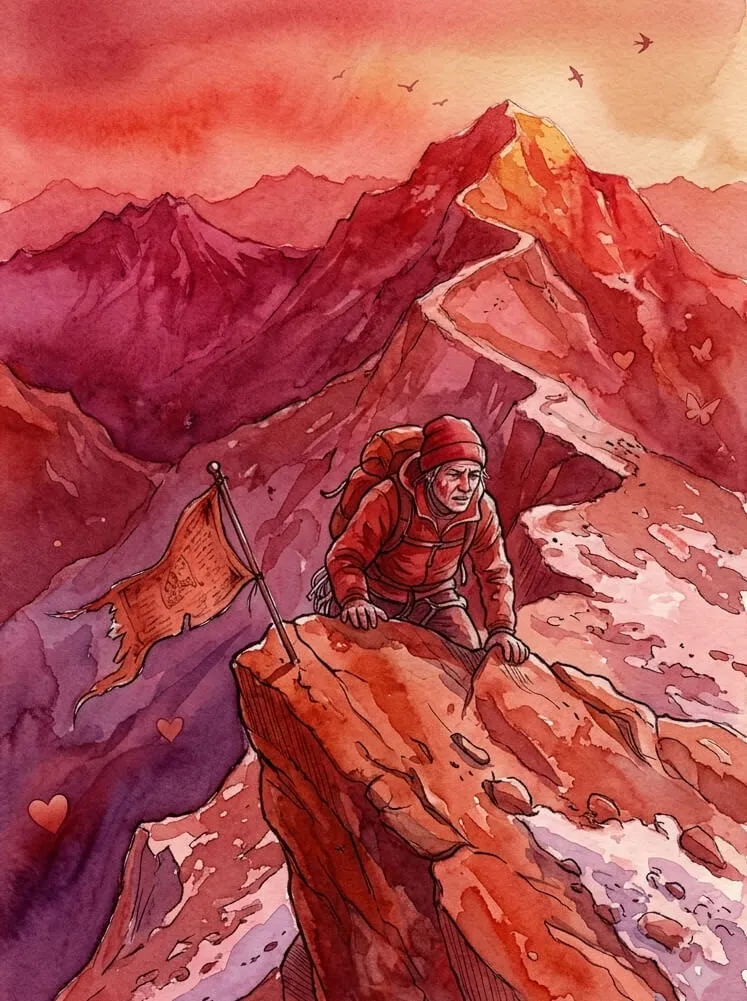
Meaning: Someone who has been through hardship is worth more than the inexperienced.
Literally: For one who's been beaten, you'd get two who haven't
Example: “Возьми на работу того, кто уже ошибался. За битого двух небитых дают.” — Hire the one who has already made mistakes: experience is worth twice as much.
Equivalents in English, French, Spanish, Japanese, German, and 2 more languages
 English: Adversity makes a man wise, not rich.
 French: Vent au visage rend un homme sage (literally: Wind in the face makes a man wise)
 Spanish: De los escarmentados nacen los avisados (literally: From those who have learned the hard way come the wary)
 Japanese: 艱難汝を玉にす (Kannan nanji o tama ni su) (literally: Hardship polishes you into a jewel)
 German: Durch Schaden wird man klug (literally: Through harm one becomes wise)
 Dutch: Door schade en schande wordt men wijs (literally: Through loss and shame one grows wise)
 Chinese: 吃一堑,长一智 (Chī yí qiàn, zhǎng yí zhì) (literally: Fall into a ditch, gain in wit)
Origin: For one man who has been beaten, you'd get two who haven't, so the experienced one is worth double.
Explore another collection: False Friends
Words that look familiar in another language but mean something else entirely.
- Aktualny (Актуальный) (Aktualnyy) Actually means 'topical' or 'currently relevant'. For actual (real), say настоящий (nasto…
- Artist (Артист) (Artist) Actually means 'performer' — an actor, singer or circus artiste. A painter is художник (k…
- Magazin (Магазин) (Magazin) Actually means 'shop' or 'store'. A magazine (periodical) is журнал (zhurnal).
Keep exploring