ProverbChallenge Chinese origin
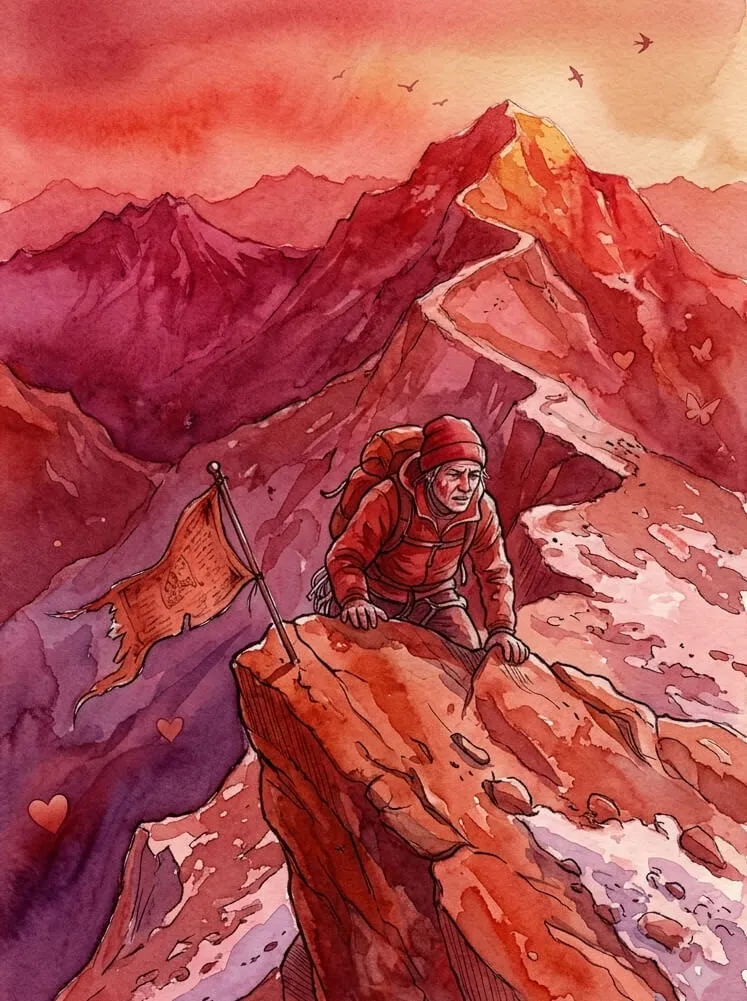
吃一堑,长一智 (Chī yí qiàn, zhǎng yí zhì)
Meaning: Every setback teaches you something.
Literally: Fall into a ditch, gain in wit
Example: “这次被骗了,下次就知道小心了。吃一堑,长一智。” — I got cheated this time, so next time I'll know to be careful: you live and learn.
Equivalents in English, French, Spanish, Japanese, German, and 2 more languages
 English: Adversity makes a man wise, not rich.
 French: Vent au visage rend un homme sage (literally: Wind in the face makes a man wise)
 Spanish: De los escarmentados nacen los avisados (literally: From those who have learned the hard way come the wary)
 Japanese: 艱難汝を玉にす (Kannan nanji o tama ni su) (literally: Hardship polishes you into a jewel)
 German: Durch Schaden wird man klug (literally: Through harm one becomes wise)
 Dutch: Door schade en schande wordt men wijs (literally: Through loss and shame one grows wise)
 Russian: За битого двух небитых дают (Za bitogo dvukh nebitykh dayut) (literally: For one who's been beaten, you'd get two who haven't)
Origin: A qiàn is a moat or ditch: each fall into one leaves you a little wiser about where you walk.
Explore another collection: Idioms
Colorful expressions from dozens of languages, with their word-for-word translations.
- 马马虎虎 (Mǎmǎhūhū) So-so; careless and only just passable.
- 拍马屁 (pāi mǎpì) To flatter or suck up to someone.
- 亡羊补牢 (Wáng yáng bǔ láo) It's not too late to act after a setback to prevent further loss.
Keep exploring